May 21: Queso Payoyo and Plaza de Torros de Ronda
Hola! Today, our group visited a cheese factory and farm and a world-famous bull fighting ring in Grazalema and Ronda, Spain, respectively. Our extremely talented bus driver, Rafael, piloted our tour bus through winding mountain roads and tiny city streets without blinking. The sites and views were absolutely breathtaking.Here are some thoughts about Queso Payoyo from Emily Middendorf: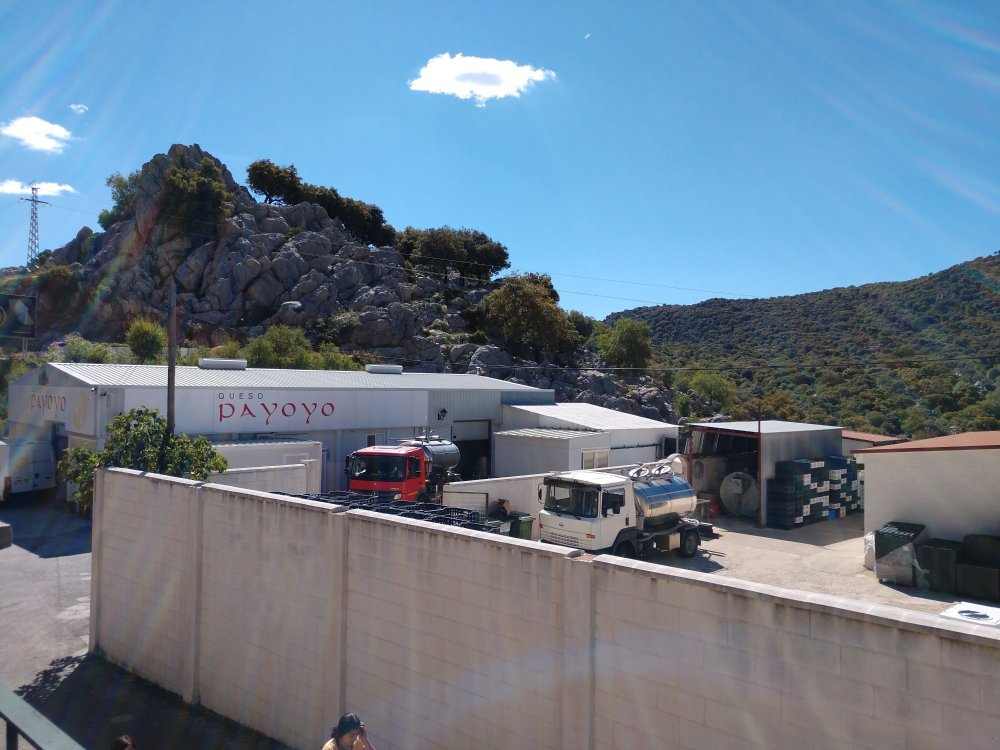 Payoyo cheese factory.This morning we started our day off at Queso Payoyo. It is a cheese plant that uses goat and sheep milk to hand-make cheese. They use 7,000 liters of goat milk and 2,500 liters of sheep milk each day. They pasteurize the milk then add renin and egg whites so the milk curdles and can be made into cheese. It gets mixed together and then cut into small pieces.
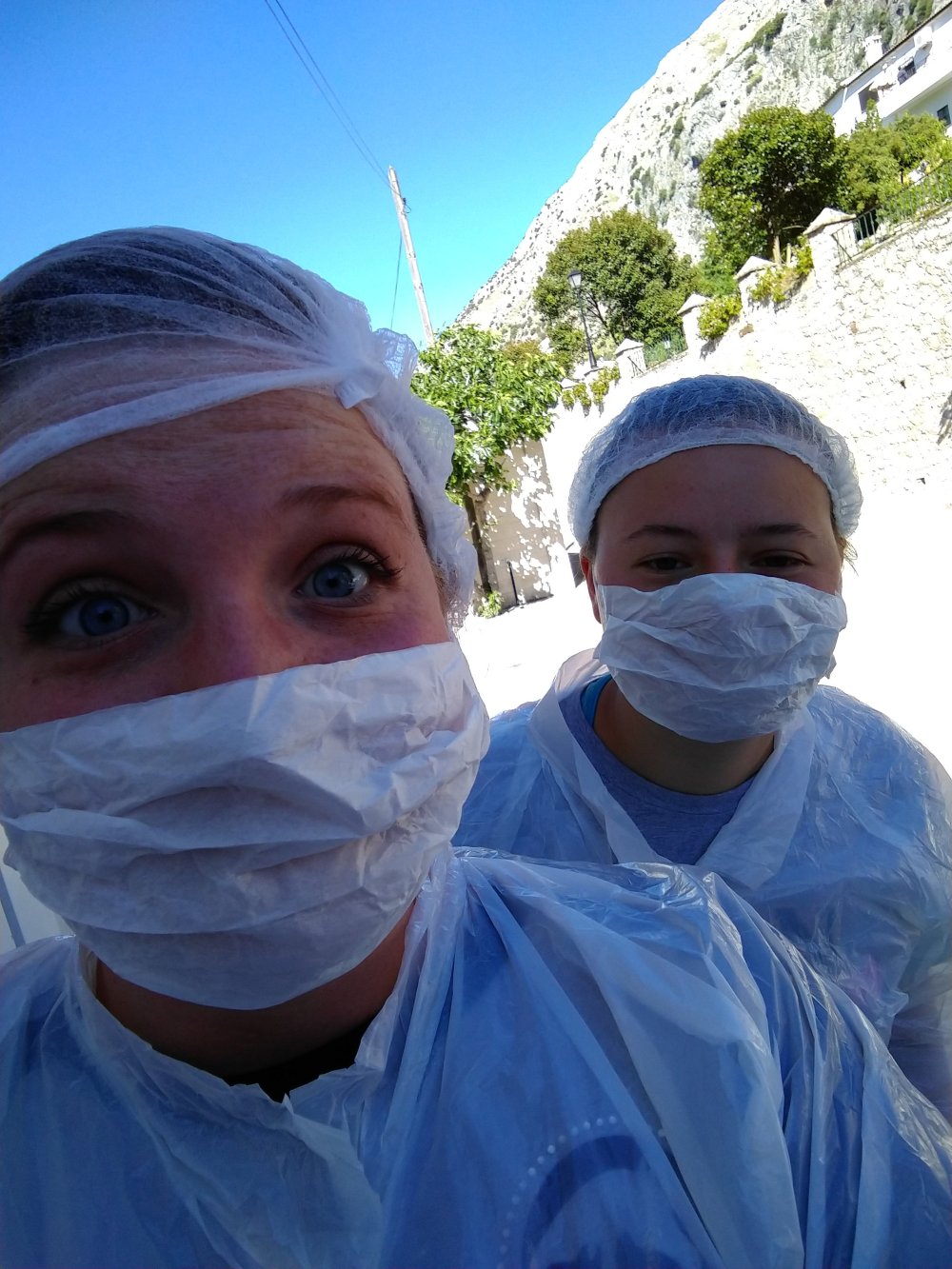
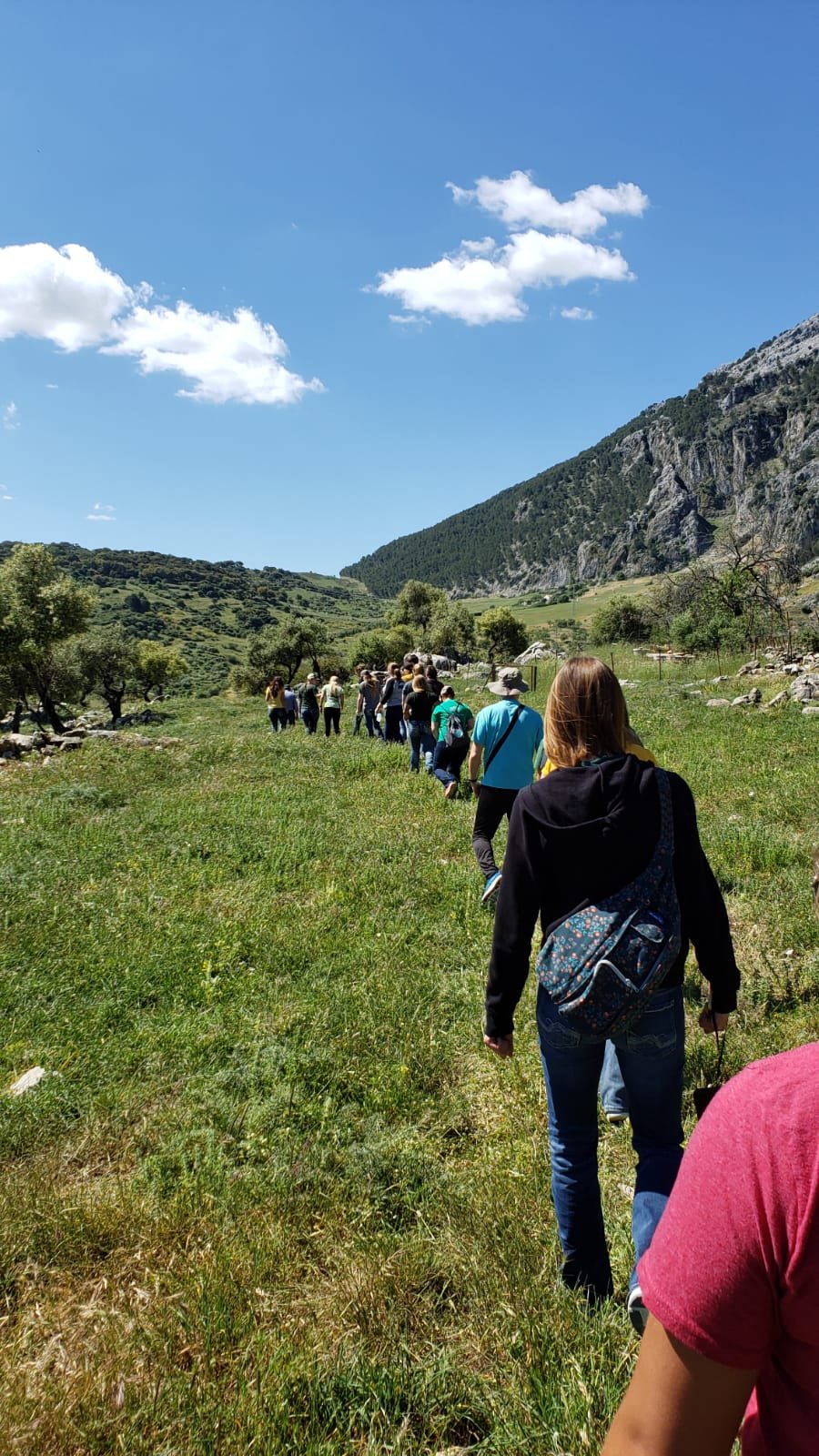
 The cheese is then hand packed into containers before it gets pressed. They make 3 main types of cheese here: fresh, semi-cured, and cured. Some of their cheese is made only from goats milk or sheep milk, and some is a mix of them both. After the cheese plant tour, we went to one of the small farms they receive milk from for a tour. This particular farm milks 20 sheep twice a day, and 22 goats once a day. The goats and sheep are on pasture all day and are trained to come to the barn to be milked to get grain. We learned that goats give about 3 litters of milk a day! This place also had a separate cheese making room. They use it to try new recipes and to train others in the art of cheese making. We wrapped up this tour by sampling some of the delicious cheeses they make.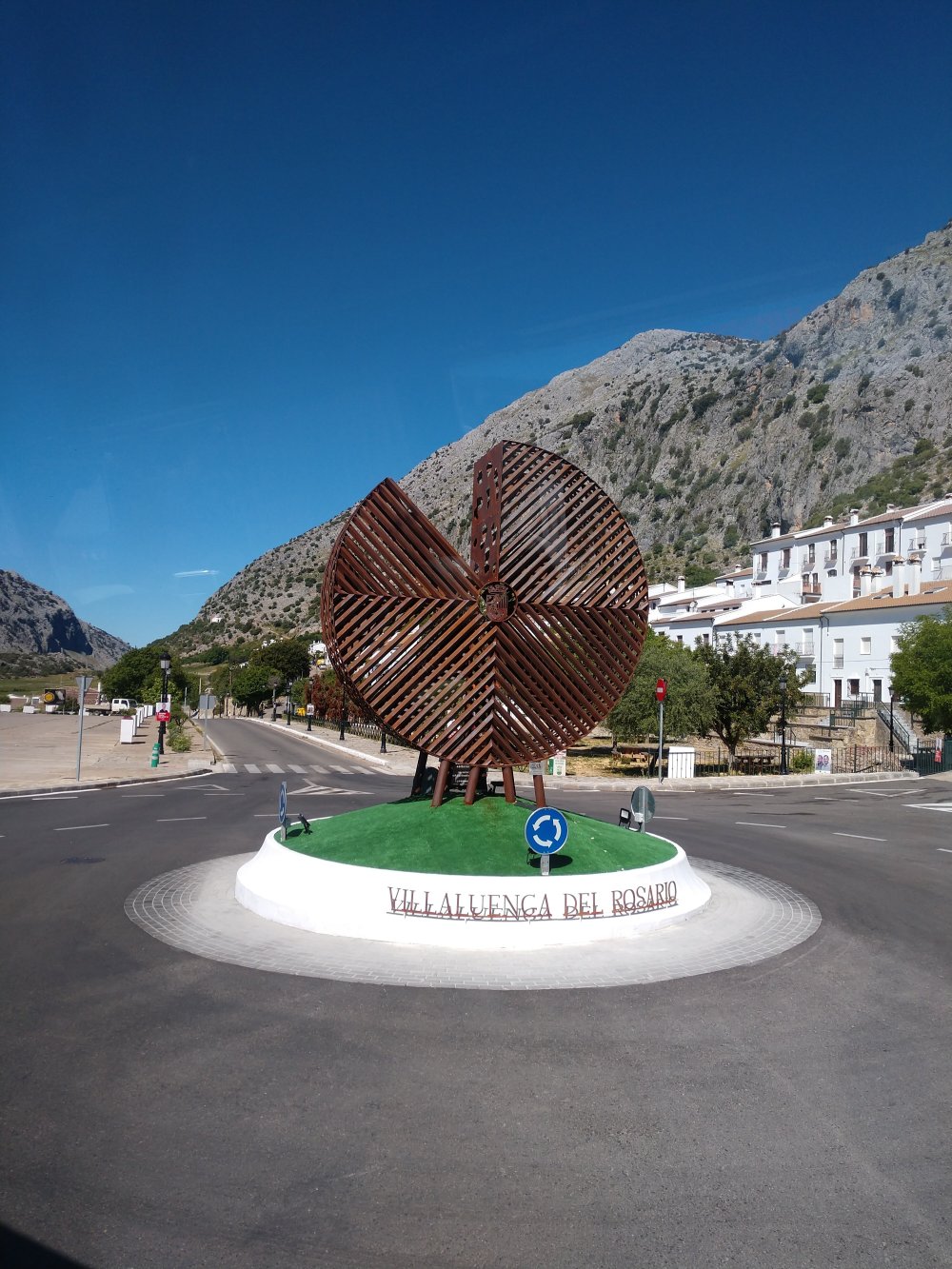


 Here is some information about Spanish Bull Fighting from Fallon Ryan:In the afternoon, we toured “Plaza de Torros de Ronda”, a bull fighting arena. It was built in 1572 and is one of five bull fighting rings left in Spain.
Our group was allowed to wander the facility freely with electronic audio guides. We learned about the holding pens and chute systems, horse stables, the fighting ring, and general history of bull fighting.The Holding Pens and Chutes: Bulls that arrive at “Plaza de Torros de Ronda” are put into one of two holding pens. Matadors then pick the bull they will fight by random draw. Senior matadors get to draw first followed by less experienced fighters.
 After the bulls have been drawn, they are put into individual stalls underneath the fighting ring. To move the bulls, there are concrete chutes with gates that move vertically via pulley system.The stables:
 The stables were established in 1804. These Spanish Horses are bred and trained specifically for bull fighting. Piccadores (mounted bull fighters) train extensively on horseback before they are allowed to participate in a bull fight.The ring:
 The fighting ring is separated into four seating areas: Sol, Semi-Sol, and sin Sol (Sun, half Sun, or shade). The last seating area is reserved for royalty and distinguished guests. This ring is different from all others in Spain because the bulls enter directly underneath the royalty booth. Usually, the bulls enter the ring directly across from the royalty seating.General history:
Our group visited the museum underneath the fighting ring and learned more about the rules of bull fighting as well as the attire and equipment.
Here are a few of the most interesting facts:
1. Napolean and his troops occupied the facility in 1810 for a short period.
2. There are multiple human remains of past matadors buried under the ring.
3. This was the first bull fighting arena to be built on stone.
4. This is the first documented arena where matadors fought bulls from the ground instead of on horseback.
5. Bulls are bred specifically for agility and aggression and are typically not used for meat. Today, bull fighting is under a lot of scrutiny in Spain because of some animal welfare concerns. Thanks to our tour today, students were able to educate themselves about this ancient tradition in an unbiased atmosphere.We are so grateful for the opportunity to visit these amazing places today. Spain is beautiful!
 Ag & the Equine Industry in Spain