May 23rd: Border Inspection Post and Dairy Farm
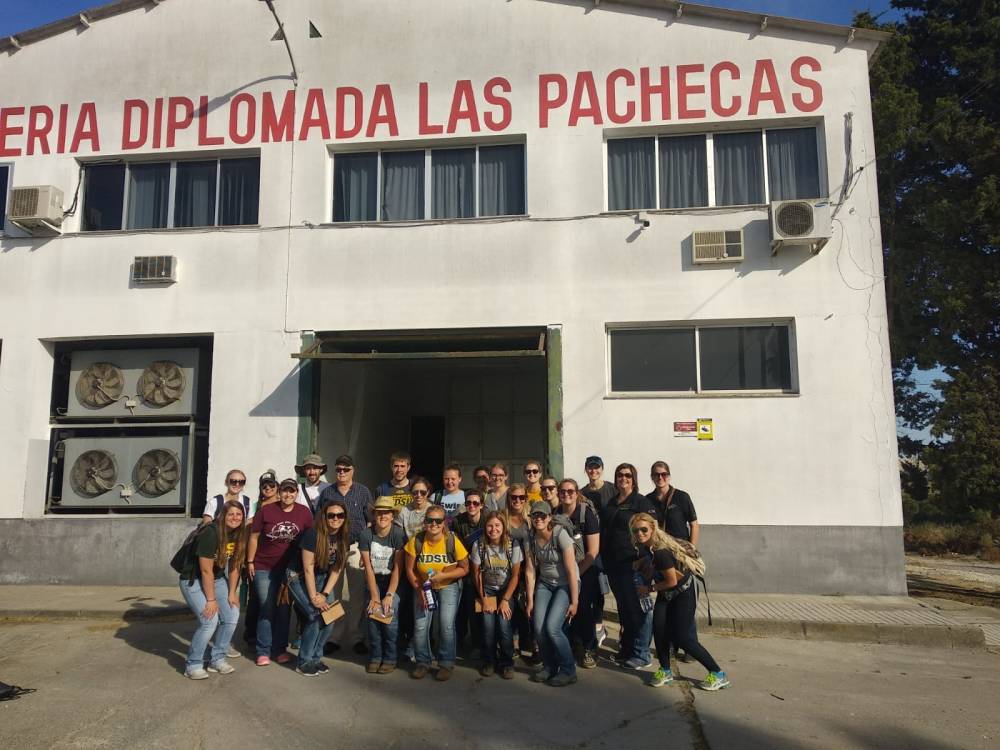
Hola from Kat and Jenny!For our final full tour day we started the morning off by visiting the Algeciras Border Inspection Post or BPI. Unfortunately, we were not allowed to take pictures so my beautiful narration will have to suffice. The post is located on the Mediterranean coast in the south eastern part of Spain by Morocco. It is the largest border inspection post in Spain due to the number of imports and exports traveling between Spain and Morocco.The BPI has different inspection areas depending on the goods leaving or entering the country. The first area we toured was where they check fish being imported or exported from the country. Most of the fish processed from exports are from Morocco, but they receive fish from all over the world. Our guide went through some of the visual tests they use to examine the fish. For exports this is enough, unless the country they are being exported to have more requirements on testing for imports into their country. For example, the U.S. requires more tests than Morocco does. If fish are being imported, however, there are several tests that are required around the EU before the product can enter the country.Next we went to where they process fruits or vegetables. It was a similar protocol to that of the fish. Fun fact though, in Spain veterinarians check the food. While we were there they had watermelons from Africa and Mangoes from Brazil coming in and Melons being exported out of Spain.Next we toured where they process animal byproducts or feed coming in. This area had to be physically separated from all the other inspection locations for health reasons.Our inspection area was where they inspect animals coming in or out. Unfortunately there were no animals there while we were touring. They do get all kinds of different animals though. It’s not uncommon for them to get Giraffes or Elephants that are used as circus animals. They mainly get cows and horses, however. Horses have different levels of inspection based on their registry and worth. If a horse is a well registered animal they usually allow it to enter the country and head to its destination with little inspection as usually owners take good care their animals. However, if the horse is worth less it has more inspections that it must go through.Ganaderia Diplomada Las Pachecas is the Dairy farm we visited today. The owner did not speak English but our guide Eduardo translated for us so we could still engage in conversation and ask questions thought the tour. We started off learning about the farm, basic operations, what the cows eat and some statistics on their milk quality. They have 540 Holstein cows on the farm but only 270 are currently being milked. Something that was different from North Dakota dairy producers was that they use cottonseed as part of their feed, we all got to see the cottonseed which was quite soft. About half of the cows diet is water, especially in the summer which is quite hot here in southern Spain. We learned that they are very careful with their feed to ensure the milk quality is good. Part of this includes only purchasing feed from registered suppliers, as they do ot use their land for growing their own feed anymore.At this dairy they milk three times a day in a herringbone parlor. They use sand for bedding the cows in milking to help keep them clean and cool in the heat. The dry cows, or cows not being milked, are on a compost bedded pack that is cool and is raked everyday to keep it clean. A fun fact about Holsteins we heard today was that 54% of meat consumed in the world is from Holstein cattle. We also learned that there are 33 different breeds of dairy cattle in Spain. Spain is home to 13,500 dairy farms. The northern part of Spain has smaller, family farms where the southern part is more commercialized and has larger farms. At the end of the tour we all got to visit the calf pens and we all enjoyed interacting with them. Enjoy our photos from the day!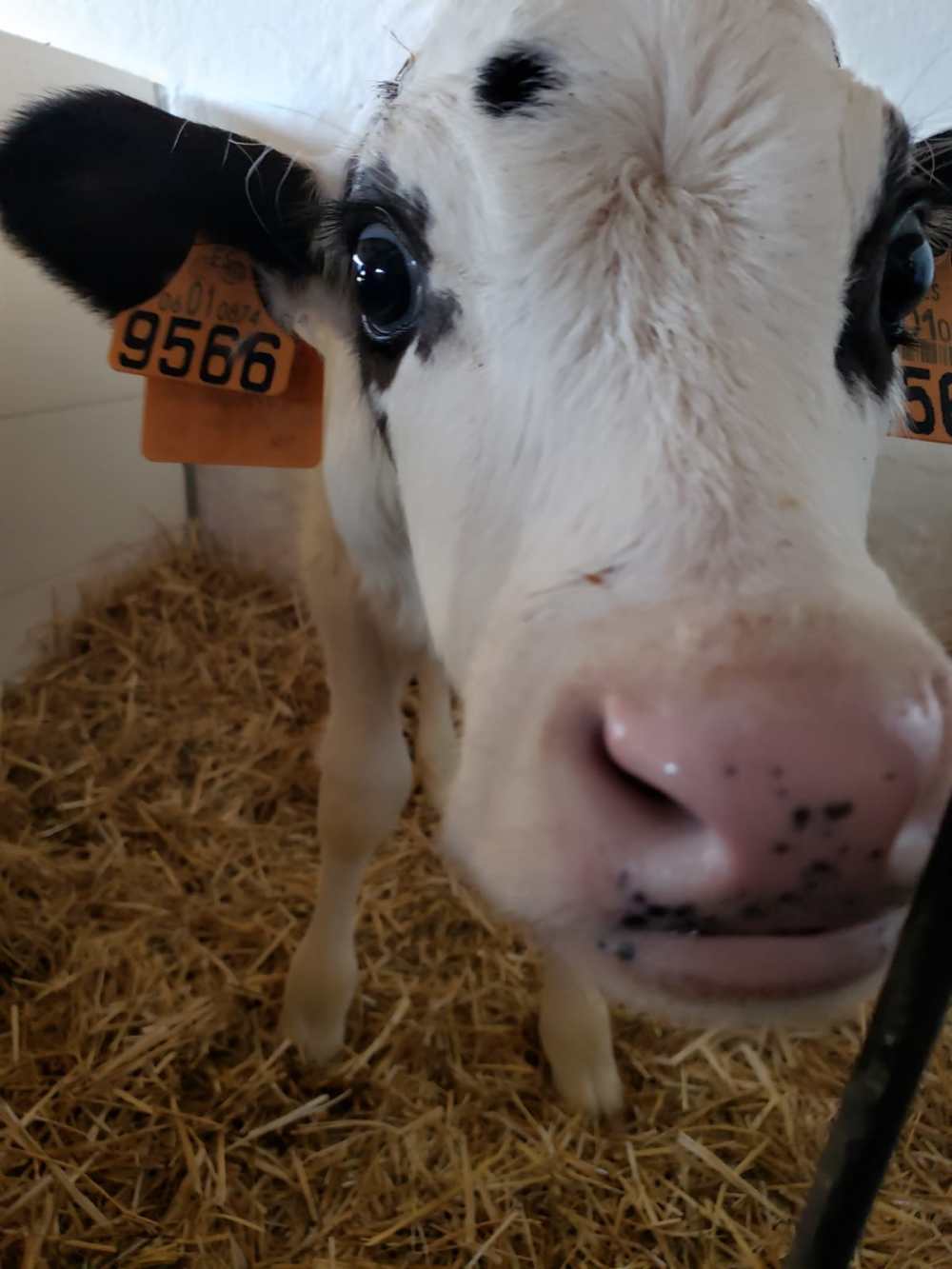


 Ag & the Equine Industry in Spain